
Morning vs Evening Deer Hunting: When Are Bucks Most Active?
 Prev Post
Morning vs Evening Deer Hunting: When Are Bucks Most Active?
Every deer hunter eventually asks the same question: Is it better to hunt in the morning or the evening?
It’s a debate that has taken place around countless campfires, in hunting cabins, and in tree stands across the country. Some hunters swear that daylight movement is best right after sunrise. Others insist the magic hour before sunset is when big bucks finally appear.
The truth is that both times of day can be extremely productive if you understand how whitetail deer behave. At Cuppen's Trophy Whitetail & Elk Ranch, we spend a lot of time observing mature deer and guiding hunters in the field. Over the years, we’ve seen big bucks taken at sunrise, sunset, and sometimes right in the middle of the day.
Understanding how deer move throughout the day can help hunters make better decisions about when to be in the woods—and more importantly, where to be when a mature buck finally shows himself.
Understanding Whitetail Deer Activity
Whitetail deer are known as crepuscular animals, meaning they are naturally most active during low-light periods—specifically around sunrise and sunset.
This pattern has developed over thousands of years as a survival strategy. Moving during low light allows deer to feed, travel, and socialize while avoiding many predators.
For hunters, this means the two most important movement windows are usually:
-
Early morning after sunrise
-
Late afternoon and evening before sunset
However, mature bucks don’t always follow the same predictable schedule as younger deer. Older bucks have survived several hunting seasons and tend to move more cautiously, often adjusting their activity based on pressure, weather, and the time of year.
Let’s break down what makes both morning and evening hunts effective.
Morning Deer Hunting: Catching Bucks on the Way Back to Bed
Morning hunts can be incredibly productive because they give hunters a chance to intercept deer as they return to bedding areas after feeding during the night.
During darkness, whitetails often travel to feeding areas. As daylight approaches, they begin making their way back toward thick cover where they will spend most of the day bedded down.
Hunters positioned between food sources and bedding cover can sometimes catch mature bucks slipping through at first light.
Advantages of Morning Hunts
1. Bucks May Still Be Moving From Nighttime Feeding
Many deer are still on their feet right around sunrise. If you’re set up along a travel corridor or near a bedding area, you might see bucks returning from feeding areas.
2. Cooler Temperatures
Morning hunts often bring cooler temperatures and calmer winds, especially during early season. These conditions can encourage deer movement.
3. Less Afternoon Human Activity
Morning hours can sometimes be quieter in terms of human activity. Farm equipment, vehicles, and other disturbances often increase later in the day (Fortunately, these are things you don't have to worry about on our hunting ranch).
Challenges of Morning Hunts
Morning hunts also require careful planning.
The biggest challenge is getting into your stand without spooking deer. Since many deer are still feeding nearby before daylight, entering your stand too loudly or shining lights across open areas can alert deer long before shooting light arrives.
This is why many experienced hunters prefer morning stand locations that allow for quiet access routes.
Evening Deer Hunting: Catching Bucks Heading to Food
Evening hunts are often considered the most reliable time to see deer, especially early in the season.
As the day progresses, deer eventually rise from their beds and begin traveling toward food sources. This movement usually begins slowly a few hours before sunset and gradually increases as darkness approaches.
Advantages of Evening Hunts
1. Predictable Feeding Movement
Deer must feed daily, and evening is when they commonly move toward food sources. Agricultural fields, food plots, and oak ridges can become prime locations for evening hunts.
2. Easier Entry to Your Stand
Because deer are typically bedded during the middle of the day, slipping into your stand in the afternoon is often easier than sneaking in during the dark before a morning hunt.
3. Great Opportunities for Early Season Bowhunters
In the early season, bucks often follow consistent feeding patterns. Evening hunts near these food sources can produce some of the most predictable deer movement of the year.
Challenges of Evening Hunts
Evening hunts can sometimes be frustrating when deer appear just after shooting light gives way to darkness. Many hunters have watched a big buck step into a field only minutes too late.
Another challenge is retrieving a harvested deer from feeding areas without disturbing other deer that may still be nearby.
When Morning Hunts Really Shine: The Rut
If there is one time of year when morning hunts can be especially productive, it is during the rut.
The rut typically peaks in Michigan in early to mid-November. During this time, bucks become focused on breeding and often abandon their normal cautious behavior.
This increased movement means bucks may be active well beyond the normal morning and evening windows.
Hunters sitting near:
-
Bedding areas
-
Funnels or travel corridors
-
pinch points
can sometimes catch cruising bucks searching for receptive does.
Many experienced hunters will stay on stand longer during the rut because bucks can appear at almost any hour of the day.
When Evening Hunts Dominate: Early and Late Season
Evening hunts tend to be particularly productive during the early and late seasons.
Early Season
Early in the fall, deer are focused heavily on feeding patterns. Bucks often travel predictable routes from bedding cover to food sources like corn, soybeans, or acorns.
Evening hunts overlooking these areas can produce excellent opportunities for archery hunters.
Late Season
Late-season hunting often takes place in colder conditions when deer are trying to regain body weight after the rut.
Food becomes the primary focus again, and deer frequently concentrate around the best available sources of nutrition. Evening hunts near these feeding areas can produce sightings of mature bucks preparing their bodies for the upcoming cold winter.
Weather Can Change Everything
While time of day matters, weather conditions can dramatically influence deer movement.
Some of the best deer activity occurs during:
-
Cold fronts
-
Falling temperatures
-
Light snowfalls
-
Calm, crisp mornings
When temperatures suddenly drop, deer often become more active and begin feeding earlier in the afternoon.
Hunters who watch weather patterns closely often find themselves in the woods when deer movement peaks.
So, When Are Bucks Most Active?
The simple answer is both morning and evening.
Sunrise and sunset remain the most reliable movement periods for whitetail deer throughout much of the season. However, factors like the rut, weather changes, and hunting pressure can cause bucks to move at almost any time.
The most successful hunters understand this and spend as much time in the woods as possible during these key windows.
But perhaps the most important factor in deer hunting success is where you are hunting.
Experience Trophy Whitetail Hunting at Cuppen’s Ranch
At Cuppen's Trophy Whitetail & Elk Ranch, we spend countless hours studying deer behavior and helping hunters experience the thrill of pursuing truly exceptional whitetail bucks.
Located in beautiful Lexington, our ranch offers hunters an unforgettable experience pursuing trophy whitetail deer in a professionally managed environment.
When you book a hunt with us, you’ll enjoy:
-
One-on-one guide service
-
Incredible home-cooked meals
-
A beautiful lodge exclusively for you or your group
-
A private camp for you or you and your group
We believe a trophy hunt should be about more than just the deer. It should be about the entire experience—from the excitement of the hunt to relaxing in comfort with great food and great company at the end of the day.
If you’ve ever dreamed of pursuing a truly giant whitetail deer, we invite you to come experience the difference at Cuppen's Trophy Whitetail & Elk Ranch.
Come enjoy the hunt.
Enjoy the comfort.
Enjoy the food.
And most importantly, enjoy the moment when you take home the buck of a lifetime.
Photos
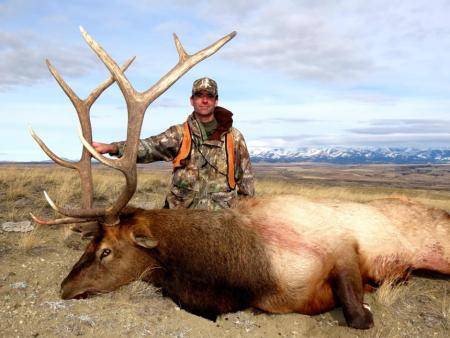






We offer trophy whitetail deer hunting and trophy elk hunting in Lexington, Michigan.
Copyright © 2026 Cuppen's Hunting Ranch. Website by JZ Internet