
When Whitetail Bucks Shed Their Velvet

Late summer is one of the most exciting times of the year for anyone who enjoys watching whitetail deer. After months of rapid antler growth, mature bucks are reaching the final stages of development, and the familiar velvet covering their antlers will soon begin to disappear.
For hunters, however, velvet season isn't necessarily something to wait through. At Cuppen's Game Ranch in Lexington, Michigan, hunters have the unique opportunity to pursue impressive whitetail bucks while they are still carrying their velvet racks.
That makes this time of year particularly exciting. You can watch a buck develop throughout the summer, admire his velvet-covered antlers, and potentially have the opportunity to hunt him before that velvet is ever shed.
Why Do Whitetail Bucks Grow Velvet?
Every year, a whitetail buck grows a new set of antlers. During the growing stage, the developing antlers are covered by a soft layer of tissue commonly known as velvet.
Velvet is packed with blood vessels and supplies the rapidly growing antlers with oxygen and nutrients. During this period, antlers can grow at an incredible rate.
By late summer, most mature bucks have nearly completed their antler growth. The antlers harden as the blood supply to the velvet decreases, eventually leaving the buck with the finished rack underneath.
That transition is one of the most fascinating parts of the whitetail's annual cycle.
When Do Bucks Shed Their Velvet?
In Michigan, velvet shedding generally takes place in late August and early September, although the exact timing varies from buck to buck.
Some deer may shed their velvet quickly, while others can appear to hold onto it a little longer.
As testosterone levels increase heading into fall, the velvet dries and begins to separate from the hardened antler. The buck then begins rubbing his antlers against trees, brush and other objects.
For hunters watching trail-camera photographs, this can happen almost overnight. One photograph may show a buck with a beautiful velvet rack, while a photograph taken only days later shows a completely different-looking deer with a clean, hardened set of antlers.
Why Do Bucks Rub Their Antlers?
Antler rubbing is one of the first obvious signs that a buck is transitioning from his summer routine toward fall behavior.
As the velvet dries, bucks rub their antlers against trees and other objects to remove the remaining velvet. The process also helps clean and polish the antlers.
Fresh rubs can provide valuable information about where a buck is traveling and what areas he is using.
They are also an exciting sign that the transition toward the fall breeding season has begun.
Velvet Bucks Can Be a Hunter's Dream
While many hunters spend the summer waiting for velvet to disappear, there is something special about hunting a whitetail while he is still carrying that soft, dark velvet covering.
A velvet buck is a snapshot of a very specific and short period in the whitetail's annual cycle.
The appearance of a large buck in full velvet is unmistakable. The antlers can look unique and massive, and photos of a mature velvet buck can become some of the most memorable hunting photos a hunter ever takes.
At Cuppen's Game Ranch, hunters don't necessarily have to wait until velvet is gone to pursue the buck they have been watching all summer.
Summer Buck Patterns Can Change Quickly
The weeks leading up to velvet shedding are also an interesting time to observe whitetail behavior.
During the summer, bucks often establish fairly predictable patterns based around food, water and bedding areas. Trail cameras may reveal bucks visiting the same fields or food sources regularly.
But as summer ends, those patterns can begin to change.
Increasing testosterone levels, changing social dynamics and the approach of the breeding season all contribute to changes in buck behavior.
In the wild, Bachelor groups that stayed together throughout much of the summer can begin breaking apart. Bucks may become more aggressive toward one another, and sparring and other signs of increasing dominance can become more common.
This is the beginning of the transition toward the rut.
Every Buck Has His Own Timeline
Not every whitetail follows the exact same schedule.
Age, genetics, nutrition, health, and individual hormone levels can all influence antler development and velvet shedding.
That's one of the reasons watching individual bucks throughout the summer is so interesting.
A buck that looked like one deer in June may look dramatically different by September. His body may have filled out, his antlers have reached their final size, and his behavior may have changed as he transitions toward fall.
For hunters, getting to know individual bucks is part of the excitement.
The Advantage of Hunting at Cuppen's Game Ranch
For hunters pursuing trophy whitetails, one of the biggest challenges of a traditional Michigan deer hunt can be patterning a mature buck.
A buck may be highly predictable one week and completely change his routine the next. Weather, food sources, changing social behavior, and the transition from summer to fall can all affect where a mature deer spends his time.
At Cuppen's Game Ranch in Lexington, Michigan, hunters have an opportunity that goes beyond simply hoping they cross paths with the right buck during a limited window.
Cuppen's offers trophy whitetail hunts where hunters can pursue impressive bucks, including velvet bucks, giving you the opportunity to hunt these incredible deer during a unique time of the year.
Instead of spending weeks trying to determine whether a mature Michigan buck will cooperate with your trail cameras and hunting strategy, you can come to Cuppen's with the opportunity to pursue the buck you've been dreaming about.
Hunt Your Dream Buck at Cuppen's Game Ranch
From impressive velvet bucks to fully hardened trophy racks, Cuppen's gives hunters the opportunity to pursue exceptional whitetails in a professionally managed game-ranch setting.
Patterning a mature buck during a traditional Michigan early season can be challenging, but at Cuppen's, you can take the guesswork out of your search and put yourself in position for an opportunity at the buck you've been dreaming about.
Your dream buck doesn't have to remain a trail-camera picture. Come to Cuppen's Game Ranch in Lexington, Michigan, and make the opportunity to hunt him a reality.
Cuppen's Game Ranch
Lexington, Michigan
For information about trophy whitetail hunts and available opportunities, call 810-434-7401.
Photos
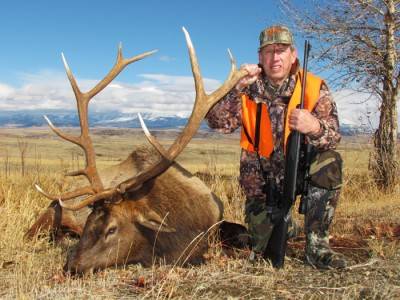






We offer trophy whitetail deer hunting and trophy elk hunting in Lexington, Michigan.
Copyright © 2026 Cuppen's Hunting Ranch. Website by JZ Internet